
First Freight Carriers (FFC) delivers temperature-controlled Refrigerated (Reefer) Shipping for perishables that can’t miss their window—produce, dairy, frozen foods, confectionery, pharmaceuticals (by arrangement), and other sensitive goods. We engineer the cold chain from end to end: the correct equipment (reefer truckload or container), verified setpoints with continuous-run mode, pre-trip checks, sanitary washouts, and sealed trailers documented at pickup. Our team plans the route and timing to protect shelf life, schedules quick turns at docks, and manages handoffs with transloading only when it reduces risk and transit time. For imports, we coordinate drayage with genset power where needed and move freight straight into controlled staging or outbound linehaul; for domestic moves, we align appointments, driver hours, and cooling requirements so the load stays on spec. You’ll get accurate quotes that reflect real cold-chain costs—fuel, reefer hours, stop-offs, detention—and proactive updates at tender, dispatch, en-route checks, delivery, and POD. When claims risk exists, we can document pulp temperatures, add temperature loggers, and provide photo evidence on request. From chilled (34–40°F) to frozen (-10 to -20°F) to specialty ranges (e.g., confectionery 55–65°F), FFC keeps Refrigerated (Reefer) Shipping predictable, compliant, and on-time—without last-minute surprises.
Refrigerated (Reefer) Shipping
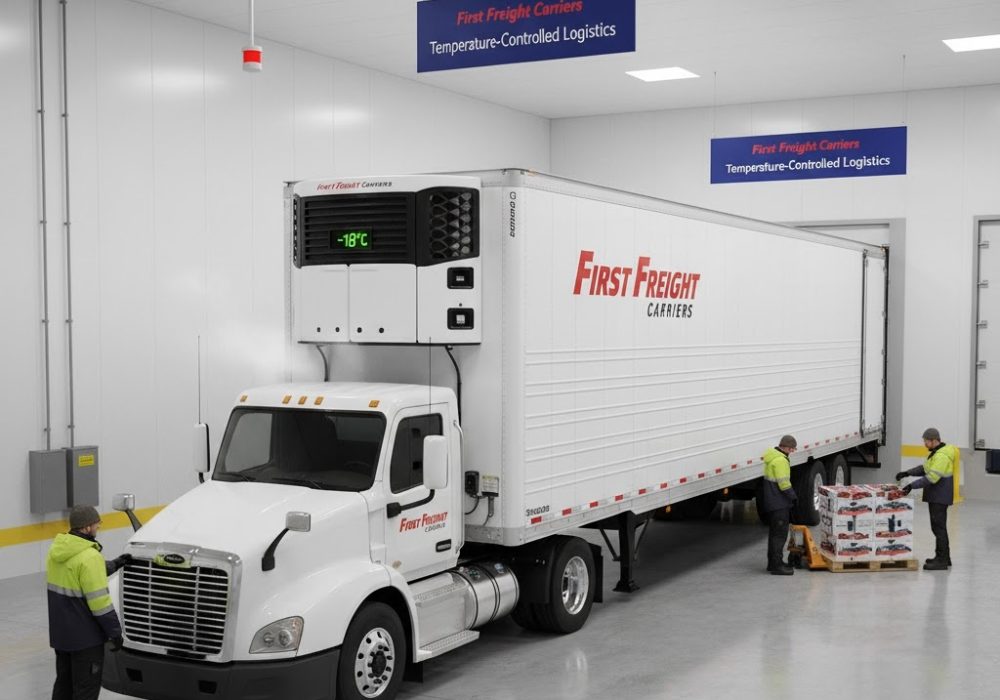
Refrigerated (Reefer) Shipping
How our Reefer process works
-
Plan & setpoints: We confirm commodity, target range, packaging, airflow, and required timeline.
-
Pre-cool & verify: Trailer is washed out, pre-cooled, sealed, and documented with photos if needed.
-
Pickup: We load to airflow guidelines, balance pallets, and start continuous-run cooling.
-
Linehaul: Route and check calls align with driver HOS; temp data captured as arranged.
-
Delivery: Appointment made to avoid dwell; seal verified and pulp checks performed if requested.
-
Closeout: POD, photos, and any temperature reports are provided with a clear invoice.
What we need to quote fast
-
Origin & destination (dock hours, appointment rules)
-
Commodity & target temperature (e.g., 36°F lettuce, frozen -10°F)
-
Pallet count, weight, and stackability (airflow requirements)
-
Stops & special handling (multi-stop, pulps, photo capture, high-value)
-
Ready date & must-arrive date (shelf-life constraints)
-
Import notes (genset need, LFD, terminal, container type) if applicable
Equipment & temperature ranges
-
Reefer Truckload (53′): chilled, frozen, confectionery, floral, dairy, beverages.
-
Container Reefer (20′/40′): import/export lanes with genset availability.
-
Typical ranges: Chilled 34–40°F, Frozen -10 to -20°F, Cool 55–65°F.
-
Airflow tools: pallets, corner boards, load bars, bulkheads, and vent settings.
Cost drivers (and how we control them)
-
Reefer hours & fuel: We right-size routes and minimize idle dwell time.
-
Appointments & dwell: We schedule precise windows and use drop options when secure.
-
Multi-stop impact: We plan stop order to protect temps and reduce door-open time.
-
Claims risk: We use packing standards, airflow guidelines, and temperature documentation.
-
Imports: We coordinate gensets, drayage, and returns to avoid storage/per diem.
Packaging & loading best practices
-
Pre-cool product to target temperature before loading.
-
Maintain airflow: keep freight inside pallet footprint and avoid blocking T-rails.
-
Use clean, dry pallets and wrap for stability without choking airflow.
-
Load patterns follow commodity guidance (no hot-and-cold mixing without bulkheads).
-
Limit door opens; check seals; log exceptions immediately.
Refrigerated (Reefer) Shipping
Frequently Asked Questions (FAQs) – Refrigerated (Reefer) Shipping
What temperature ranges can you maintain?
We commonly run chilled 34–40°F, frozen -10 to -20°F, and cool 55–65°F; tell us your exact spec and we’ll set the unit accordingly.
Do you provide temperature logs or pulp checks?
Yes—pulp temperatures at pickup/delivery and data logger reports are available when requested at booking.
Start-stop vs. continuous—what’s better?
For sensitive perishables, continuous run is preferred to stabilize temps and protect shelf life; we use it unless your spec says otherwise.
Can you handle mixed commodities?
Sometimes—with bulkheads, careful setpoints, and airflow planning; otherwise we recommend separate loads to protect quality.
How do you reduce claims risk?
Correct pre-cool, secure airflow, precise appointments, minimal door opens, and documented temps at critical points.
Do you handle refrigerated imports?
Yes—we coordinate reefer container drayage with gensets, cross-dock if needed, and transfer to reefer truckload for final delivery.
Can you rush an urgent load?
Yes—expedited reefer truckload and team drivers are available for time-critical perishables.