
First Freight Carriers (FFC) manages end-to-end HazMat Cargo moves for shippers who need compliant, predictable transport of regulated materials across the U.S. and via U.S. ports. We plan your shipment around the correct regulations for the mode—49 CFR for domestic highway/rail, IMDG Code for ocean, and IATA DGR for air (by arrangement)—and we make sure your documentation, marks, labels, and vehicle/container placards match the commodity you’re moving. Our operations team validates the UN/NA number, proper shipping name, hazard class/division, packing group, and any special provisions; confirms packaging is UN-spec and compatible; and checks quantity limits, segregation rules, and tunnel/bridge restrictions on your lane. We coordinate with your plant or 3PL to build the correct HazMat bill of lading/shipper’s declaration, provide or verify emergency-response information and a 24/7 contact, and pre-brief the carrier so drivers arrive with the right endorsements and equipment (e.g., spill kits, chocks, fire extinguishers). For ocean imports/exports we align IMDG documentation with steamship line requirements, schedule port drayage with qualified drivers, secure chassis and appointments, and plan compliant returns to nominated depots. For inland distribution we select HazMat-capable carriers, set realistic ETAs, and manage handoffs to FTL/LTL or transload when that better controls risk or cost. Throughout, we watch the details that usually cause delays—misdeclared classes, missing marks, wrong placards, incompatible mixed loads, and incomplete SDS—and fix them before the shipment reaches a terminal or gate.
HazMat Cargo
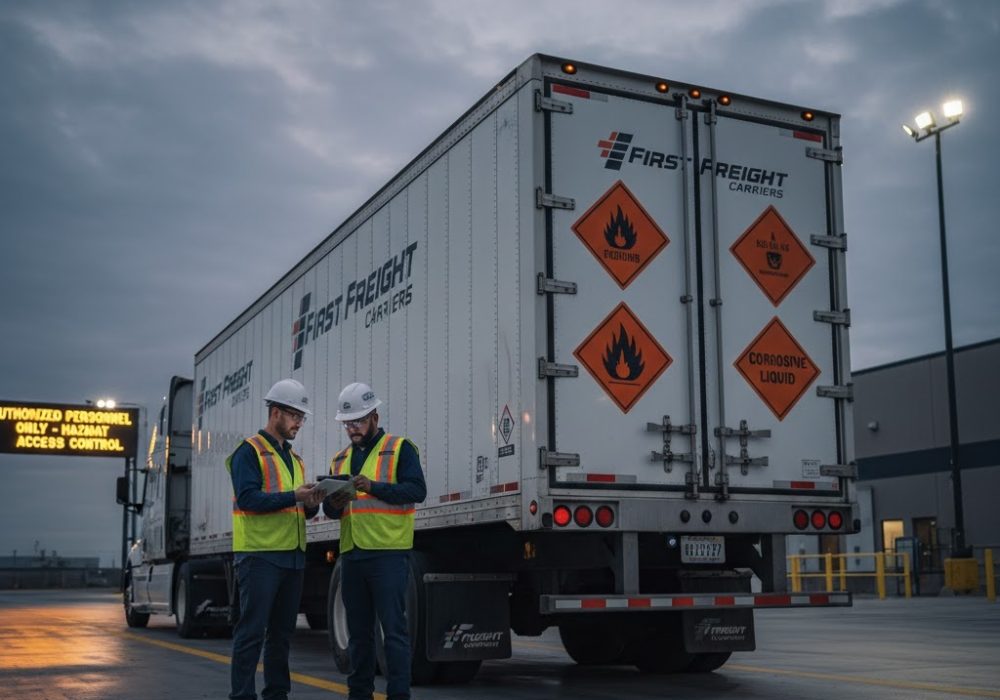
HazMat Cargo (Dangerous Goods) Shipping
Because not all dangerous goods are alike, we tailor handling by class. Class 3 flammable liquids demand tight packaging, no-leak closures, and securement to prevent shifting and friction; Class 8 corrosives need resistant dunnage and spill control; Class 2 gases require cylinder protections and secure valve caps; Class 5 oxidizers must be segregated from combustibles; Class 6.1 toxics need strict documentation and routing; and Class 9 (e.g., lithium batteries) call for precise marks/labels and sometimes carrier-specific approvals. We can advise on Limited Quantity or Excepted Quantity options where they truly apply, reducing cost and complexity without sacrificing compliance. If your materials are inhalation hazard, PIH/TIH, or otherwise restricted on certain corridors, we plan alternate routes or recommend transloading to equipment that meets the corridor’s requirements. At the port, we manage terminal rules and free-time windows so storage, demurrage, and per diem stay under control. For high-value or sensitive items, we can add excess liability, photo documentation, and chain-of-custody notations at key milestones. With itemized quotes (HazMat surcharges and permits separated), proactive status alerts, and one accountable point of contact, FFC keeps HazMat Cargo compliant, on schedule, and cost-controlled—without last-minute surprises.
How our HazMat process works
-
Pre-check & acceptance: Review SDS, UN/NA, class/PG, quantities, packaging, and mode; confirm carrier/terminal acceptance.
-
Docs & booking: Prepare declarations/BOL, verify labels/marks/placards, and align IMDG/49 CFR requirements by lane.
-
Pickup & securement: Endorsed driver arrives with correct PPE, placards, and securement; site rules and SOPs followed.
-
Linehaul & monitoring: Route restrictions checked; check-calls and exception handling keep transit compliant and on time.
-
Arrival & handoff: Terminal/port rules observed; exams coordinated quickly; appointments honored for safe delivery.
-
Closeout: POD, photos on request, and an itemized invoice including surcharges, permits, and escorts if any.
What we need to quote fast
-
UN/NA number, Proper Shipping Name, Class, Packing Group
-
SDS and packaging description/quantity (drums, IBCs, boxes, pallets)
-
Origin & destination with dock rules and hours; any tunnel/bridge constraints
-
Mode (ocean FCL/LCL, TL, LTL) and ready / must-arrive dates
-
Accessorials (liftgate, limited access, appointments) and special security notes
-
Photos or spec sheets if unusual dimensions or special securement is needed
Cost drivers (and how we control them)
-
HazMat surcharges & permits: We quote all surcharges and permits upfront and plan compliant routes to avoid re-routes.
-
Exams & delays: We pre-vet documents and packaging to reduce exam risk and storage exposure.
-
Restricted corridors: We plan legal routes around tunnel/bridge restrictions to keep transit reliable.
-
Packaging & securement: We verify UN-rated packaging and correct securement to prevent rework and claims.
-
Terminal/port rules: We align appointments and returns to limit per-diem and accessorial fees.
Modes & typical use cases
-
Truckload HazMat (TL): drums/IBCs, regulated liquids/solids requiring placards and endorsed drivers.
-
LTL HazMat: smaller quantities with declared class/PG; accessorials planned in advance.
-
Ocean IMDG (FCL/LCL): containerized HazMat with placards, DG docs, and port drayage by qualified drivers.
HazMat Cargo
Frequently Asked Questions (FAQs) – HazMat Cargo
What is HazMat Cargo and which classes do you handle?
HazMat Cargo includes materials regulated for transport due to safety risks (flammable, corrosive, toxic, etc.). We arrange Class 2–9 by arrangement, excluding prohibited items per carrier and route rules.
What information do you need to quote HazMat shipping?
We need UN/NA number, proper shipping name, hazard class, packing group, quantity/packaging, SDS, origin/destination, accessorials, and target dates to provide an accurate plan and price.
What documents are required for HazMat shipments?
Typical documents include the shipper’s declaration (if applicable), SDS, HazMat BOL with UN/NA, class, PG, and emergency contact; plus any permits or exemptions required for the lane.
Do drivers need special endorsements and training?
Yes—carriers use drivers with HazMat endorsements and current training; port moves often require TWIC. We confirm credentials before dispatch.
Do you supply placards and labels?
We ensure required labels/marks are on packages and correct placards are available for the vehicle or container based on the load and threshold quantities.
Can you dray HazMat containers from the port?
Yes—HazMat drayage is available with compliant equipment, documentation, and placarding; we align with terminal rules and return empties to the nominated depot promptly.
Are there route or tunnel restrictions for HazMat?
Some corridors, tunnels, and bridges restrict HazMat classes. We pre-plan compliant routing and permits to avoid delays and re-routing charges.
How are HazMat surcharges and insurance handled?
Quotes itemize HazMat surcharges, escort/permit fees if applicable, and cargo liability options. Excess liability can be arranged for high-value loads.
What packaging standards apply to HazMat freight?
We require UN-rated packaging, proper inner/outer pack, absorbents if needed, and securement per mode. We verify compatibility and segregation for multi-class loads.
Can you ship Limited Quantity (LQ) or Excepted Quantity?
Yes—when the product qualifies. We validate LQ/EQ eligibility and marking so you avoid full HazMat handling where not required.