
First Freight Carriers (FFC) plans and executes end-to-end Container Shipping for imports to the United States, matching the right box—20′, 40′, or 40′ High Cube (40′HC)—to your commodity, weight, and timeline so you move freight safely, legally, and on budget. We compare routings and sailings, secure space, and coordinate every handoff from origin loading to port drayage, warehousing & transloading when needed, and final-mile delivery. Heavy, dense cargo typically belongs in 20′ containers (better payload capacity per box), while high-volume, lighter cargo fits 40′/40′HC (greater interior cube and stack height). Our team builds a clean loading plan—pallet layout, blocking & bracing, weight distribution, and humidity control—so product rides securely through terminals and linehaul with minimal touch. On ocean moves, we manage carrier cutoffs, VGM/SOLAS verification, and documentation (commercial invoice, packing list, HS codes, B/L), then monitor arrivals, holds, and Last Free Day (LFD). At destination, we clear customs, schedule appointments, plan chassis and emty returns to avoid demurrage and per diem, and deliver with POD and photos on request. If your container is overweight for inland corridors, we’ll deploy tri-axle chassis and permits or recommend transloading to 53′ dry van to cut cost and time. For temperature-controlled cargo, we arrange reefer containers with gensets and validated setpoints; for regulated goods, we align PGA requirements (FDA/USDA/EPA, etc.) so entries post quickly. Pricing is transparent—ocean base rate, BAF, origin/destination charges, drayage, chassis, and accessorials itemized—while status updates track booking, cutoff, departure, arrival, availability, out-gate, and in-gate return. That’s how FFC keeps Container Shipping predictable, compliant, and cost-controlled—without last-minute surprises.
Container Shipping (20′ / 40′ / 40′ High Cube)
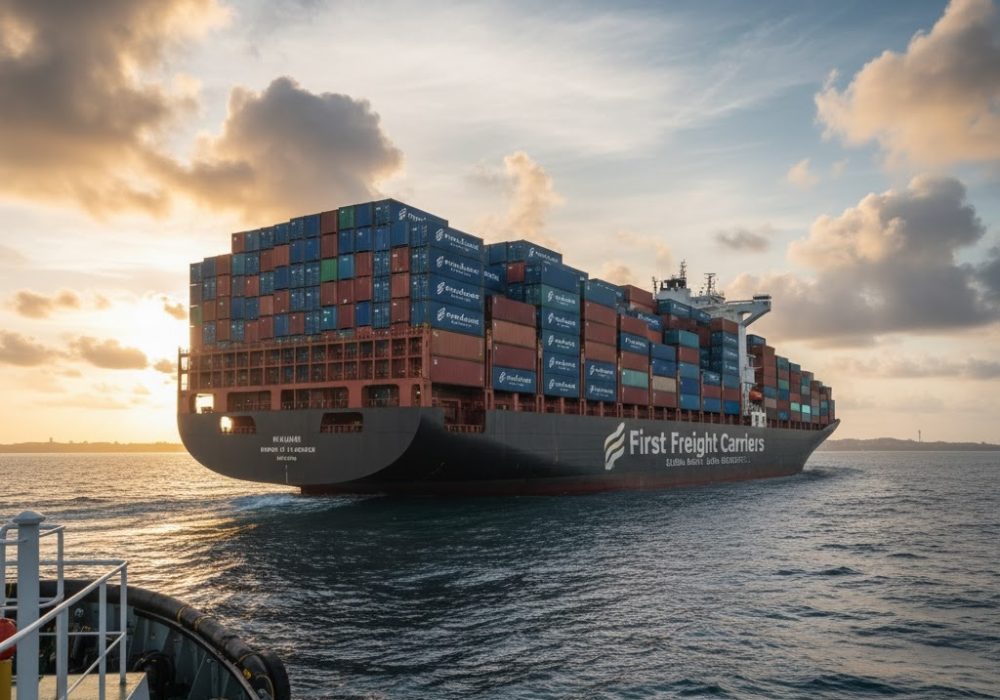
Container Shipping (20′ / 40′ / 40′ High Cube)
How our Container Shipping process works
-
Plan & book: We choose the right container type (20′, 40′, 40′HC; standard/reefer), compare sailings, and secure capacity with realistic ETAs.
-
Origin load & docs: We guide pallet layouts, blocking/bracing, humidity control, and validate commercial invoice, packing list, HS codes, VGM.
-
Ocean linehaul: We track cutoffs and vessel status; exceptions and rollovers are handled proactively.
-
Arrival & clearance: We file entries in ACE, align any PGA requirements, and push for release before LFD.
-
Drayage & delivery: We schedule appointments, plan chassis days, deliver live or drop, and return empties to the nominated depot.
-
Closeout: You receive POD, photos on request, and an itemized invoice showing ocean and inland charges clearly.
What we need to quote fast
-
Origin & destination (port, door, or both)
-
Commodity & HS code, hazardous status if applicable
-
Total weight, pallet count, and dimensions (or CBM)
-
Preferred container type (20′ / 40′ / 40′HC; standard/reefer)
-
Ready date & must-arrive date (inventory or launch deadlines)
-
Special handling (overweight, humidity control, high value, photos, counts)
Equipment & typical use cases
-
20′ Standard: Dense, heavy cargo (metals, machinery, tile, paper, sugar) where weight, not volume, is the constraint.
-
40′ Standard: Volumetric cargo (furniture, plastics, apparel, consumer goods) with standard stack height.
-
40′ High Cube (40′HC): Volumetric loads needing extra interior height; watch stack stability and load securement.
-
Reefer (20′/40′): Temperature-controlled perishables; genset power for drayage and validated setpoints.
-
Specials (by arrangement): Open-top, flat-rack for out-of-gauge loads; permits and lashing plans required.
Packing, blocking & bracing best practices
-
Keep freight inside pallet footprints; use quality 48″×40″ pallets where possible.
-
Balance weight left-to-right and front-to-rear; avoid heavy point loads against doors.
-
Use dunnage, airbags, chocks, and bracing to immobilize cargo.
-
Add desiccant for humidity-sensitive goods; line cartons with poly where appropriate.
-
Label pieces and pallets clearly; place the packing list in an accessible pouch.
-
Photograph the final load before door close; seal and record the seal number.
Cost drivers (and how we control them)
-
Demurrage & per diem: Plan release early, prioritize LFD-risk boxes, and return empties promptly.
-
Chassis & accessorials: Right-size chassis days, avoid flips where possible, and book night/late gates when available.
-
Overweight corridors: Use tri-axles and permits or transload to legal truck weights to reduce inland cost.
-
Seasonal surges: Book early around holidays and peak seasons to secure space and pricing.
-
PGA complexity: Align documents and product codes pre-arrival to prevent holds and storage.
Container Shipping
Frequently Asked Questions – Container Shipping
What’s the difference between 20′, 40′, and 40′ High Cube?
20′ suits heavy, dense cargo; 40′ suits volumetric cargo; 40′HC adds internal height for lighter, high-cube loads.
How do I decide between FCL and LCL?
Choose FCL when you can fill most of a container or need speed and security; choose LCL for smaller, flexible volumes priced by CBM.
How do you prevent demurrage and per diem?
We clear holds early, schedule drayage as soon as availability posts, and return empties before LFD to avoid storage and equipment fees.
Can you handle overweight containers inland?
Yes—via tri-axle chassis and permits, or by transloading to 53′ dry van when permits or routes are impractical.
What documents are required for Container Shipping?
Commercial invoice, packing list, HS codes, bill of lading, and VGM/SOLAS; regulated goods may require PGA filings like FDA or USDA.
How do you mitigate moisture damage in transit?
We recommend desiccants, liners where applicable, correct packaging, and minimal dwell and door-open time throughout the move.
Do you offer reefer containers for perishables?
Yes—reefer containers with gensets for drayage, validated setpoints, and temperature checks at critical handoffs.